Daily Five: A Simple Habit to Keep Rooms Calm
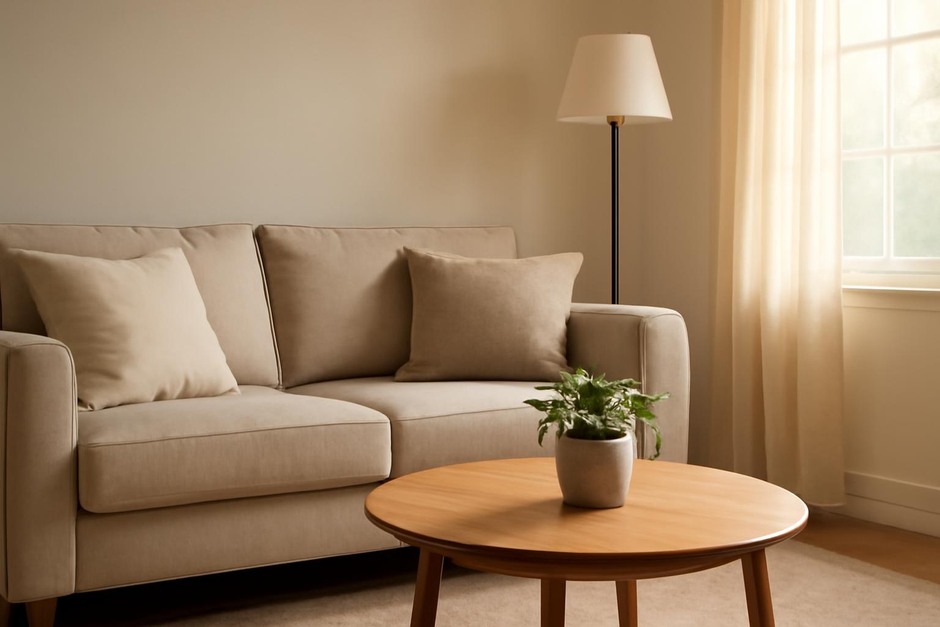
Most of us prefer a home that feels calm without needing a big cleaning session every weekend. A few short, consistent actions each day preserve that calm: they prevent mess from growing, protect surfaces, and make weekly deeper cleaning less daunting. Below are four themes to focus on, and a simple five-step routine you can repeat in under ten minutes.
The Daily Five: a tiny, repeatable habit
Before we dive into specifics, here is the backbone: five quick actions to do once per day in any main living space. Think of this as a short health check for the room.
- Clear a visible surface: remove dishes, papers, or laundry from coffee tables or counters.
- Wipe one small surface: a table, shelf, or kitchen counter with a damp cloth.
- Plump and straighten: cushions, throws and chair backs.
- Quick sweep or vacuum edge: a visible patch of floor by the entry or high traffic spot.
- Reset one item to its place: keys, a mug, a toy—return something out of place.
Doing these five actions consistently keeps small tasks from becoming large ones. Now expand each into a little how-and-why so you can adapt the habit to different rooms.
Surfaces: fast care that prevents buildup
Surfaces collect the most visible clutter and dust. The goal is not to deep-clean every day but to keep surfaces usable and pleasant.
- Why: Clearing and wiping prevents sticky residues, reduces dust that will later spread, and makes a room feel refreshed.
- Tools: a microfiber cloth, an all-purpose spray or plain water for most surfaces, and a small tray or basket to collect stray items.
- How to do it: remove loose items, gather them in your basket, wipe the surface in long strokes, and return only what belongs. If a surface is sensitive (natural wood or waxed finishes), use a barely damp cloth and dry immediately.
Textiles: quick refreshes to lift the room
Soft furnishings — cushions, throws, rugs — make a space feel lived-in. Simple daily attention keeps them looking cared-for without extra laundering.
- Why: Plumping and repositioning cushions restores shape, helps even out wear, and encourages airflow so fabrics stay fresher longer.
- Tools: a soft-bristled brush (for looser debris), a lint roller for pet hair, and a basket for misplaced textiles.
- How to do it: fluff cushions with a few thumps and rotate them occasionally; shake small throws outdoors weekly; spot-clean stains as soon as they appear following the garment label.
Floors and entryways: manage what comes in
Most dirt enters on shoes or from high-traffic corners. A small daily habit here saves time later and protects finishes.
- Why: Removing grit and crumbs protects floor finishes and keeps corners from looking neglected.
- Tools: a compact broom, a handheld vacuum, a doormat, and a small tray or bench for shoes and bags.
- How to do it: sweep or quick-vacuum visible edges, empty a small desktop or hallway bin when full, and encourage a simple landing spot for shoes and coats. Clean spills right away to avoid staining or tracking.
Small fixes and storage nudges
Part of preserving calm is having a place for common items and a habit of returning them there. Small adjustments in storage make daily maintenance easier.
- Why: When everything has a logical home, the Daily Five takes seconds instead of minutes.
- Tools: a few baskets, shallow trays for surfaces, and labeled spots for keys, mail, and chargers.
- How to do it: once a week, take two minutes to tidy one small drawer or shelf; if an item is repeatedly out of place, consider moving its home to a more convenient spot.
These four themes—surfaces, textiles, floors, and small storage fixes—work together. The daily habit addresses immediate impressions; the weekly nudges keep the system functioning.
Measured conclusion
Calm at home is often the result of many small choices rather than a single deep clean. By committing to a brief Daily Five and applying the simple principles above—wipe, plump, sweep, and return—you build a gentle maintenance rhythm. Over time, these minutes add up to a home that feels cared-for, without feeling like constant work. Try the five steps for two weeks, notice which tasks you skip, and adjust the routine so it suits your space and schedule.